
Wood Windows
Historic windows are what we do. We build accurate replicas and restore originals, the full range of traditional sash work, made for homes and buildings where the period details matter.
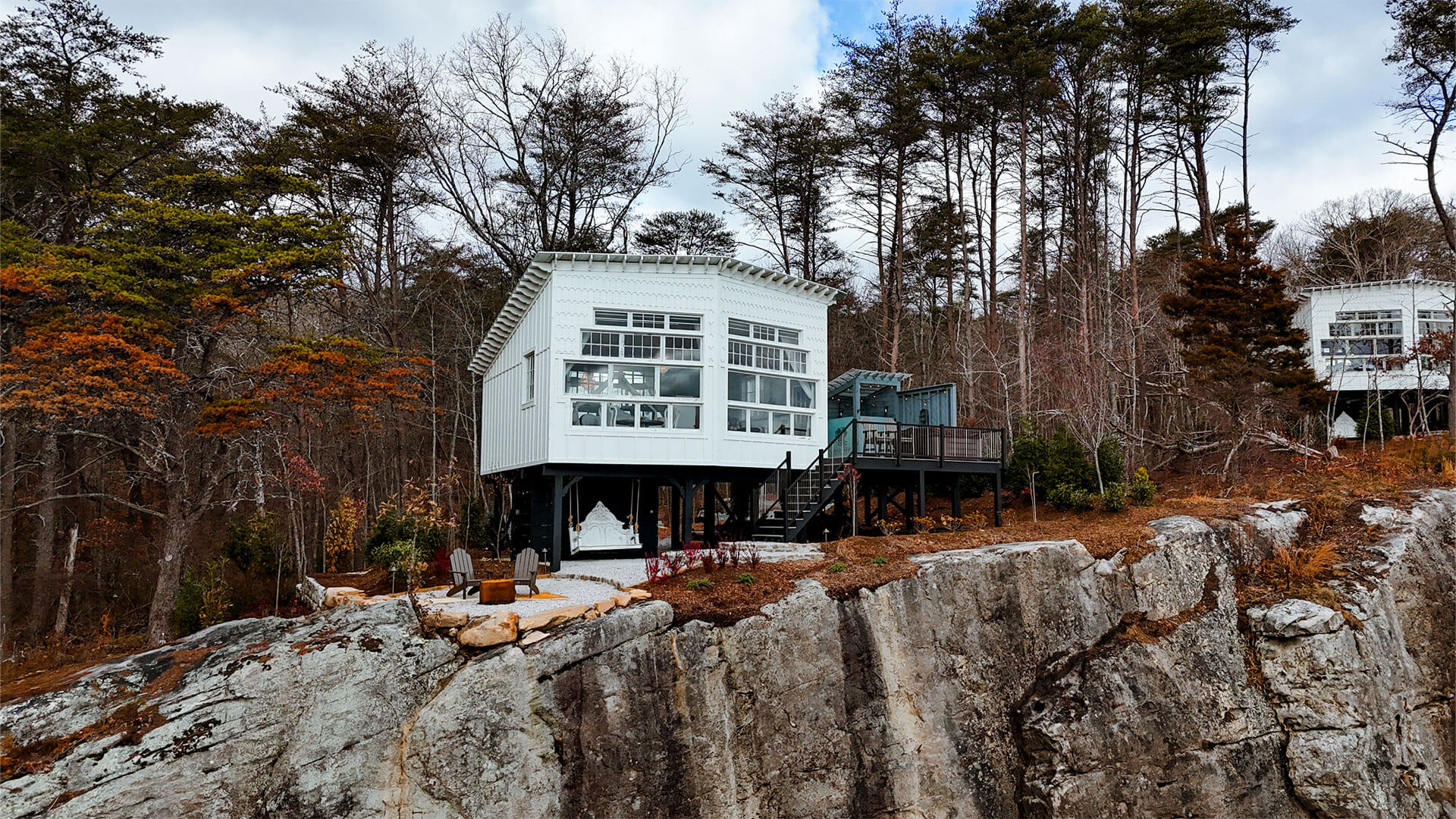
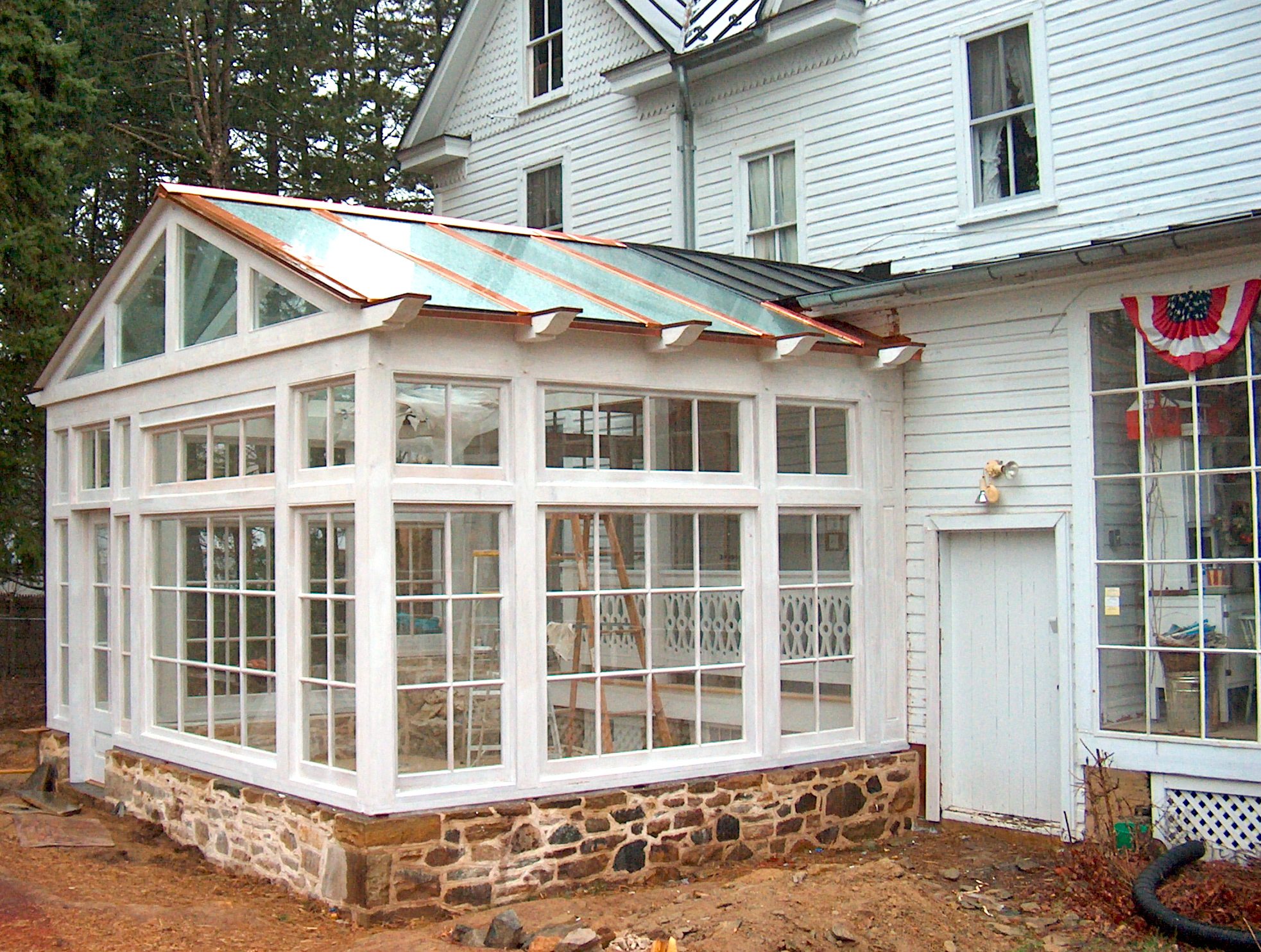
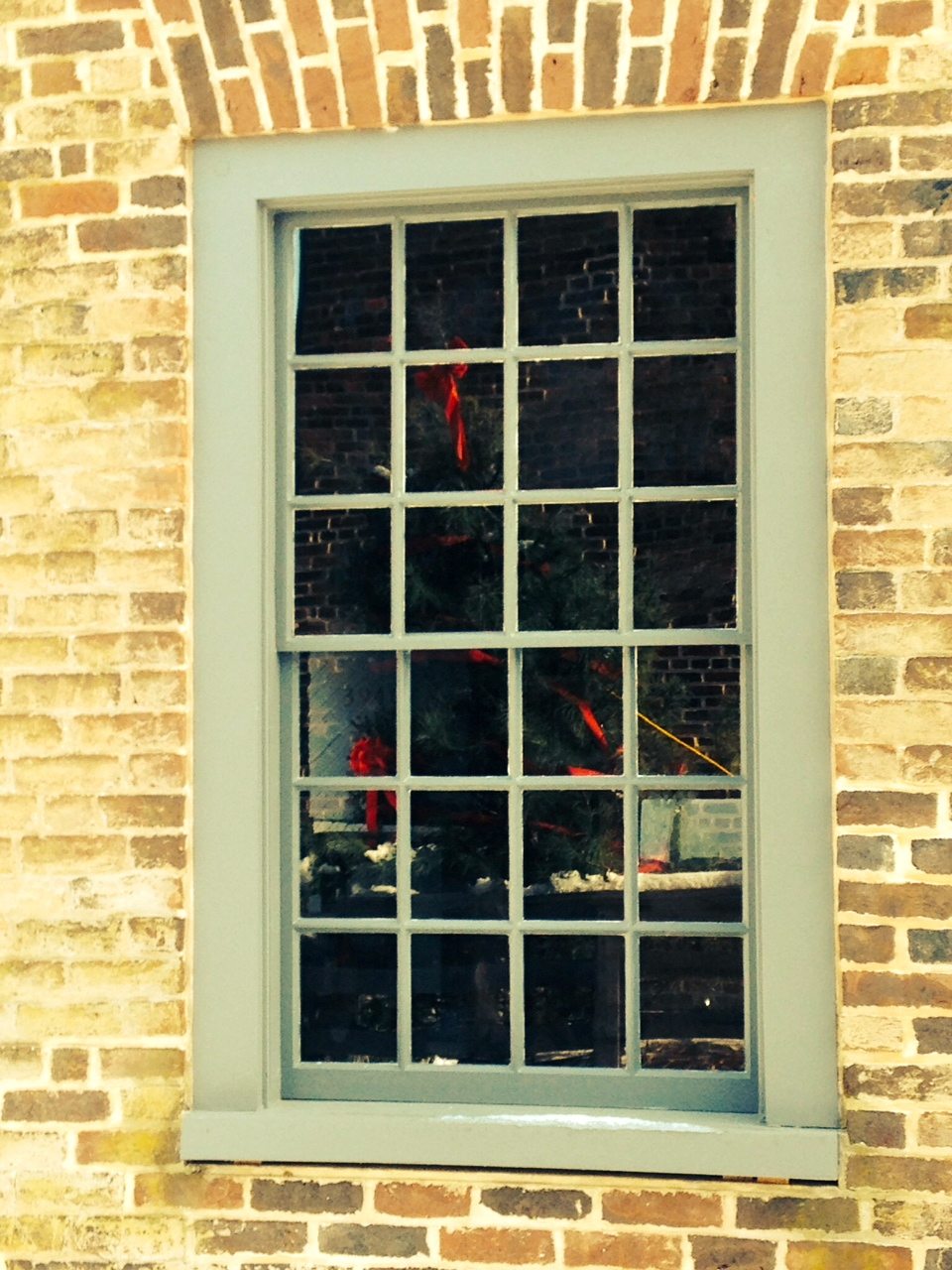
image from Bolt Farm Treehouse
Our windows are built to match any historic profiles: sash, jamb, muntin, and all. We work from the original details: glass type, counterbalance systems, period-appropriate proportions, and the particular conventions of the style and era. If the technical questions arise, and they always do, we can answer them. Being historically sensitive to the period details is important to us.
Window Options
Our historic windows are single-pane, the correct choice for period appearance and proper scale. For thermal performance, we offer storm windows in wood or metal, single-strength or insulated. Period shutters with appropriate hardware are available as well.
- Design: Standard rectangular, radius top, transoms, and bow front.
- Lumber: Accoya, sapele, walnut, or equivalent rot resistant wood. These are selected for stability and longevity in exterior applications.
- Glass: Single-strength, double-strength, or laminated glass (with a modest R-value improvement). For period authenticity, we offer new hand blown glass and antique hand-blown glass, including wavy historic blown glass imported from Germany to match the appropriate period.
- Counterbalance systems: Sash rope and weights, sash chain and weights, or tape balances.
- Weather-stripping: Saw-kerf type in zinc or bronze.
- Casings: Exterior casings in any profile, made to match existing conditions or historic precedent.
- Finish: Pre-primed and glazed, ready to paint.
- Shutters: Made and installed to suit the window and the period.

History of Windows
With the renewed interest in restoration and quality, historic window replication is becoming more popular.
Window design has changed slowly over the past years. Before 1700, all windows were casement, or hinged, until just after 1700 when the first 'sliding sash' window was introduced into the colonies. At that time, glass was limited and not made in a colonies, but imported. Standard sizes of glass were often 8" x 10", 10" x 12", or 7" x 9"; larger sizes could not be made until much later.
During the 1800's, the muntins, or dividers between the windows, became narrower as the century progressed, and changed in profile. Glass sizes started to increase as well during the middle of the century. This led to a distinct Victorian design in that period.
Window manufacturing didn't change dramatically in my view until the late 1960's, and since then the changes have been dramatic. Many manufacturers have taken on the attitude of function over form, and now vinyl jamb liners, and even vinyl windows are the standard. Except for a few companies, there is no impetus to follow historic details. Our custom millwork team can make sashes only, if desired. We typically run our sashes with our antique single end tenoning machine, to produce quality and traditional pinned joints for your project.
The Muntin design is often a great way to date a window. The following are typical muntin profiles on the east coast of North America, which we are able to duplicate:

Credit for this research: James Garvin
Window Portfolio Gallery








Looking to have windows installed, restored, or replaced?
Our Statement of Quality
If you select Vintage Building, you’ll get craftsmen unmatched for the superior result we are able to provide. Meticulous and steadfast, we are unwavering in quality.
Contact Us
Follow Us
Quick Links